Introduction
In the modern garment manufacturing industry, precision, speed, and efficiency are essential for maintaining productivity and product quality. Automatic cutting machines have revolutionized fabric cutting processes, allowing manufacturers to achieve consistent results while reducing material waste and labor costs. However, the performance of these machines depends heavily on the quality of their spare parts, particularly bristle blocks and cutting blades.
When considering the efficiency of garment cutting machines, it is essential to focus on the role of Auto Cutter Bristle Blocks and Cutting Blades. These components are integral to achieving precision in cutting, as high-quality Bristle Blocks stabilize the fabric, enabling the Cutting Blades to deliver clean and accurate cuts. Additionally, other vital spare parts such as Grinding Stones, Bearings, Motors, Belts, Sensors, and Knife Guides contribute significantly to the overall functionality and reliability of the machinery. The interplay between these elements ensures that operations run smoothly, minimizing downtime and maximizing output. As you explore options in 2026, investing in superior spare parts will undoubtedly enhance the performance and longevity of your cutting equipment.
This comprehensive guide explores the importance of bristle blocks and cutting blades, their applications, benefits, maintenance requirements, and factors to consider when purchasing replacement parts.
Understanding Auto Cutter Spare Parts
What Are Auto Cutter Spare Parts?
Auto cutter spare parts are replacement components designed for automated cutting machines used in garment manufacturing, textile production, leather processing, and other industries. These parts ensure that cutting systems continue operating efficiently without interruptions.
Common spare parts include:
- Bristle blocks
- Cutting blades
- Grinding stones
- Bearings
- Motors
- Belts
- Sensors
- Knife guides
Among these components, bristle blocks and cutting blades are among the most frequently replaced items because they experience direct contact during cutting operations.
Why Quality Spare Parts Matter
Using high-quality spare parts offers several advantages:
- Improved cutting accuracy
- Extended machine lifespan
- Reduced downtime
- Lower maintenance costs
- Better production efficiency
- Consistent cutting performance
Poor-quality components can cause inaccurate cuts, increased waste, machine damage, and unexpected production delays.
The Importance of Bristle Blocks
What Is a Bristle Block?
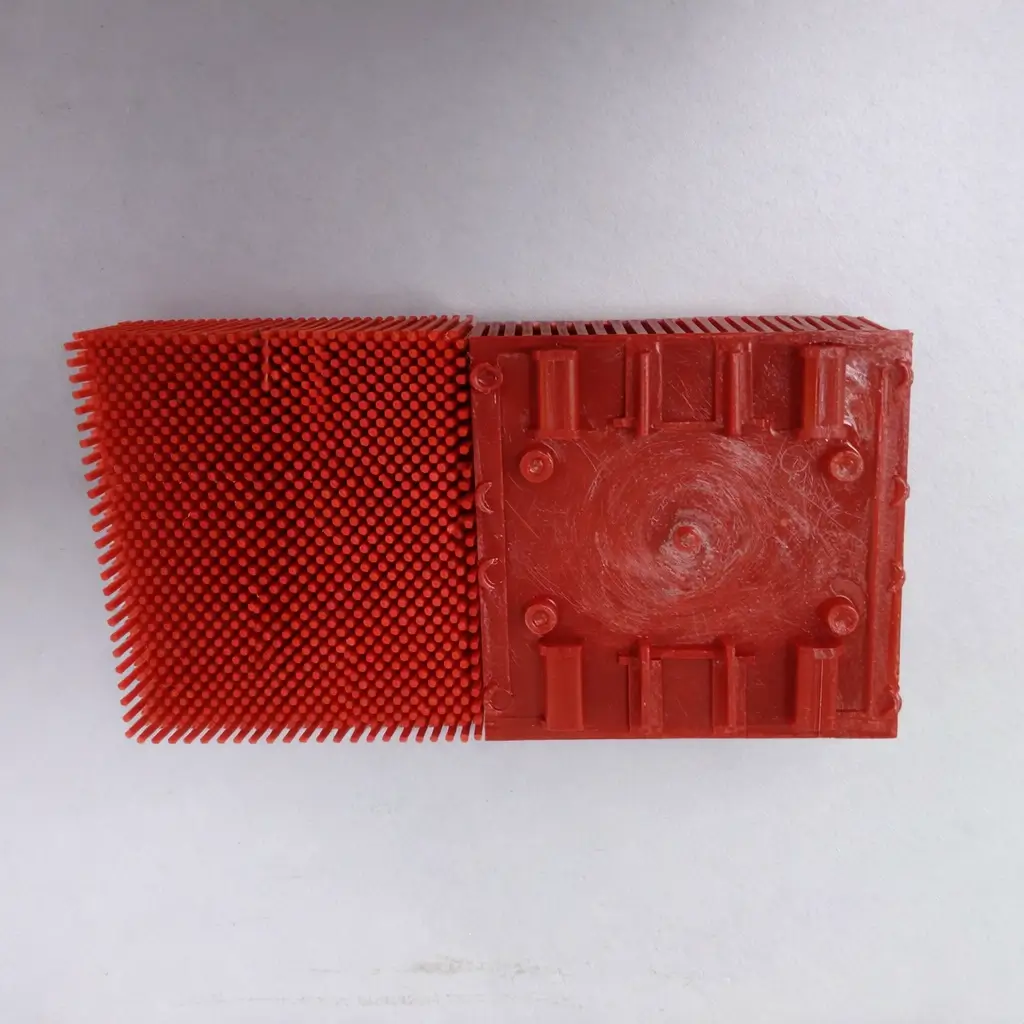
A bristle block is a support surface made from durable synthetic bristles. It is installed on the cutting table beneath the fabric layers. During operation, the cutting blade passes through the fabric and slightly into the bristle surface.
This design provides support while preventing excessive blade wear.
How Bristle Blocks Work
Bristle blocks serve several important functions:
- Support fabric during cutting
- Reduce vibration
- Maintain cutting precision
- Protect cutting blades
- Allow smooth knife penetration
The flexible bristles create an ideal cutting environment by providing resistance without damaging the blade.
Benefits of High-Quality Bristle Blocks
Manufacturers benefit significantly from premium bristle blocks.
Enhanced Cutting Accuracy
A stable cutting surface helps maintain precise blade movement, reducing errors and improving consistency.
Reduced Blade Wear
Quality bristle materials minimize friction and extend blade life.
Better Fabric Support
Strong bristles prevent fabric movement during cutting, improving pattern accuracy.
Increased Productivity
Reliable cutting surfaces reduce interruptions and maintenance requirements.

Insert Image 2: Various bristle block sizes for different cutting machine brands
Different Types of Bristle Blocks
Lectra Bristle Blocks
Lectra cutting machines are widely used in the garment industry. Their bristle blocks are designed to provide excellent support while maintaining durability under continuous operation.
Common sizes include:
- 95 × 90 × 42 mm
- Other model-specific dimensions
YIN Bristle Blocks
YIN machines require precision-engineered bristle blocks to ensure consistent cutting performance.
Benefits include:
- High durability
- Excellent fabric support
- Long service life
Kuris Bristle Blocks
Kuris cutting systems utilize specialized bristle block configurations that help maintain cutting accuracy across different materials.
Investronica Bristle Blocks
Investronica users often choose replacement bristle blocks that match original specifications to ensure optimal machine performance.
Shima Seiki Bristle Blocks
These blocks are designed to withstand demanding industrial environments while supporting high-speed cutting operations.
Understanding Cutting Blades
What Is a Cutting Blade?
A cutting blade is the primary cutting component of an automatic cutter machine. It moves rapidly through stacked fabric layers, creating precise cuts according to programmed patterns.
The blade’s sharpness and quality directly affect cutting performance.
Importance of Sharp Cutting Blades
A high-quality blade offers:
- Cleaner cuts
- Reduced fabric fraying
- Better pattern accuracy
- Lower machine strain
- Improved production speed
Materials Used in Cutting Blades
Most industrial cutting blades are manufactured using premium steel alloys.
Common materials include:
- High-speed steel
- Tungsten steel
- Hardened alloy steel
- Special wear-resistant metals
These materials provide durability and maintain sharpness during continuous operation.
YIN Cutting Blades
Features of YIN Cutting Blades
YIN cutting blades are known for their:
- Sharp cutting edges
- Excellent durability
- Consistent performance
- Precision manufacturing
Popular sizes include:
- 132 × 8 × 2 mm
- 132 × 8 × 1.6 mm
Applications
These blades are commonly used for cutting:
- Cotton fabrics
- Denim
- Polyester
- Knitted materials
- Technical textiles
Advantages
Manufacturers choose YIN blades because they offer:
- Longer service life
- Reduced replacement frequency
- Superior cutting quality
- Lower operating costs
Choosing the Right Bristle Block
Consider Machine Compatibility
Always verify compatibility with your machine model before purchasing replacement parts.
Factors include:
- Dimensions
- Mounting system
- Bristle density
- Manufacturer specifications
Evaluate Material Quality
High-quality materials ensure:
- Better durability
- Consistent performance
- Longer service life
Check Manufacturing Standards
Reliable suppliers provide products that meet international standards such as:
- SGS certification
- CE certification
- ECM certification
- ATC certification
These certifications indicate compliance with quality and safety requirements.
Choosing the Right Cutting Blade
Match Blade Specifications
Selecting the correct blade size is critical.
Incorrect blade dimensions may cause:
- Poor cutting quality
- Increased machine wear
- Operational issues
Focus on Durability
A durable blade helps reduce:
- Downtime
- Maintenance expenses
- Replacement frequency
Buy From Trusted Suppliers
Experienced suppliers often provide:
- Consistent quality
- Technical support
- Competitive pricing
- Fast delivery
[IMAGE SECTION]
Insert Image 3: Industrial cutting blades and spare parts for auto cutter machines
Maintenance Tips for Bristle Blocks
Regular Inspection
Inspect bristle blocks frequently for:
- Uneven wear
- Damaged sections
- Missing bristles
Early detection prevents larger operational problems.
Rotate When Necessary
Rotating bristle blocks can extend their usable lifespan by distributing wear more evenly.
Replace Worn Blocks Promptly
Worn blocks can reduce cutting accuracy and increase blade wear. Replacement should occur before performance deteriorates significantly.
Maintenance Tips for Cutting Blades
Monitor Blade Sharpness
Dull blades can:
- Reduce cutting quality
- Increase machine stress
- Cause fabric defects
Use Proper Sharpening Systems
Many automatic cutters include built-in sharpening mechanisms. Ensure they are functioning correctly.
Replace Damaged Blades
Bent or chipped blades should be replaced immediately to maintain production quality.
Benefits of Using Certified Spare Parts
Improved Reliability
Certified components deliver consistent performance under demanding conditions.
Better Safety
Quality-certified products help reduce operational risks and machine failures.
Long-Term Cost Savings
Although premium spare parts may have a higher initial cost, they often provide greater value through extended service life and reduced maintenance expenses.
Common Industries Using Auto Cutter Spare Parts
Garment Manufacturing
The apparel industry relies heavily on automatic cutting systems for mass production.
Textile Production
Textile manufacturers use cutting equipment for processing large fabric rolls efficiently.
Leather Processing
Precision cutting is essential in leather production where material costs are high.
Automotive Textiles
Automotive manufacturers use advanced cutting systems for seat covers, interior materials, and technical fabrics.
Furniture Manufacturing
Cutting machines assist in processing upholstery fabrics and related materials.
Why Source Spare Parts From China?
China has become one of the world’s leading manufacturing centers for industrial spare parts.
Advantages include:
- Competitive pricing
- Large production capacity
- Advanced manufacturing technology
- Wide product availability
- International certifications
Many manufacturers around the world rely on Chinese suppliers for high-quality auto cutter spare parts.
Conclusion
Bristle blocks and cutting blades are essential components that directly influence the performance of automatic cutting machines. Whether you operate YIN, Lectra, Kuris, Investronica, Shima Seiki, or other cutting systems, investing in quality spare parts can significantly improve productivity, accuracy, and overall operational efficiency.
Selecting certified products, maintaining them properly, and purchasing from reliable suppliers ensures long-term performance and reduced production costs. As garment and textile industries continue to evolve, the demand for dependable cutting machine spare parts will remain critical to achieving consistent, high-quality manufacturing results.